

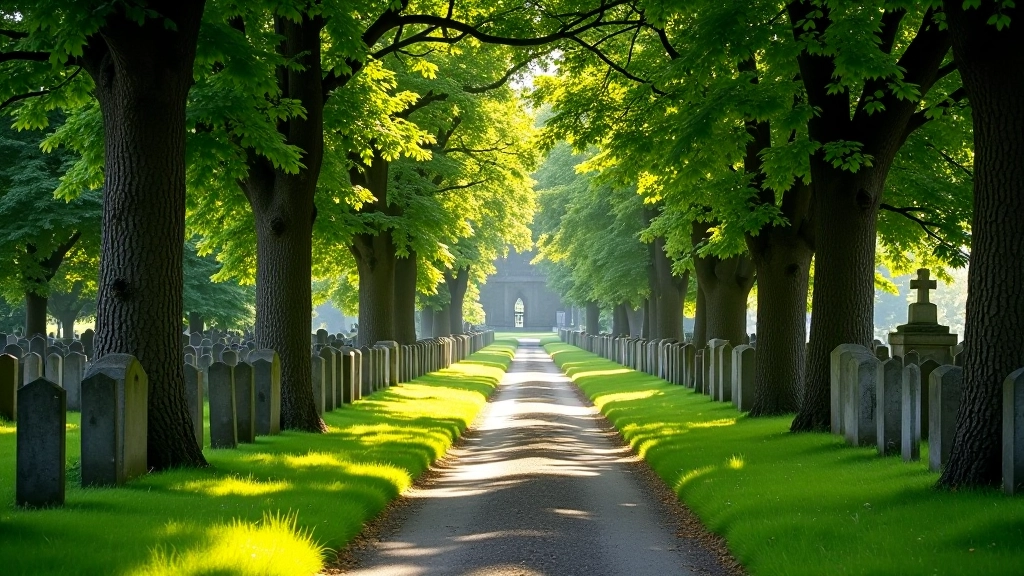
Walking Through History
Monasterboice isn't just another historical site. It's a place where you can actually feel the centuries. The high crosses here — carved in the 9th and 10th centuries — tell stories through intricate Celtic patterns and biblical scenes that've survived over a thousand years of Irish weather.
We've mapped out three different walking routes through the churchyard, each designed with retirees in mind. No steep climbs. No rushing. Just time to stop and look, to read the carved details, and to understand what you're seeing. Most visitors spend 1-2 hours here comfortably.
Learn More About the SiteWhat You'll See & Experience
Each element has been preserved for over a thousand years. Here's what makes each part worth your time.
The High Crosses
Two magnificent carved crosses — the Muiredach Cross and the West Cross — showcase intricate Celtic interlace patterns, biblical scenes, and geometric designs. The carving quality shows these weren't simple monuments. They were statements of faith and skill.
The Round Tower
Standing about 55 feet tall, this round tower dates to the 9th century. Originally built for storage and defense, it's a perfect example of early medieval Irish architecture. The narrow windows and conical roof are iconic.
The Churchyard Paths
Ancient gravestones, medieval church ruins, and quiet corners perfect for reflection. The paths are flat and well-maintained. You can walk at your own pace and stop whenever something catches your interest.
Ready to Explore?
We've created detailed guides for each walking route, plus practical tips for retirees visiting the site. Whether you're a history enthusiast or just looking for a peaceful walk, there's something here for you.
View Walking RoutesMonasterboice Through the Centuries
A timeline of the key moments that shaped this sacred site.
Foundation
Monasterboice was founded as a monastic settlement. The name itself comes from "Mainistir Bhuaice" — the monastery of Buaice, the founder.
The Golden Age
The high crosses were carved and the round tower was built. This was the monastery's period of greatest importance and artistic achievement.
Reformation
The monastery declined as religious changes swept through Ireland. But the stone monuments — the crosses and tower — endured.
Featured Guides & Resources
From Ancient Walks & Historic Crossroads — practical information written for visitors like you.
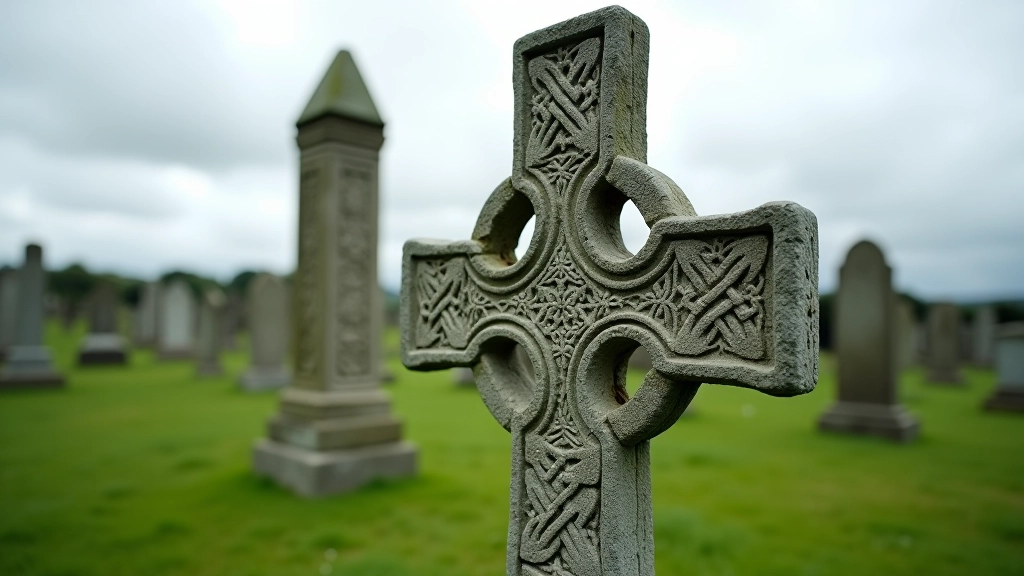
Understanding the Carved High Crosses of Monasterboice
Learn about the intricate Celtic patterns, biblical scenes, and symbols carved into these 9th-century monuments. What each element means and why they're still standing.
Read Guide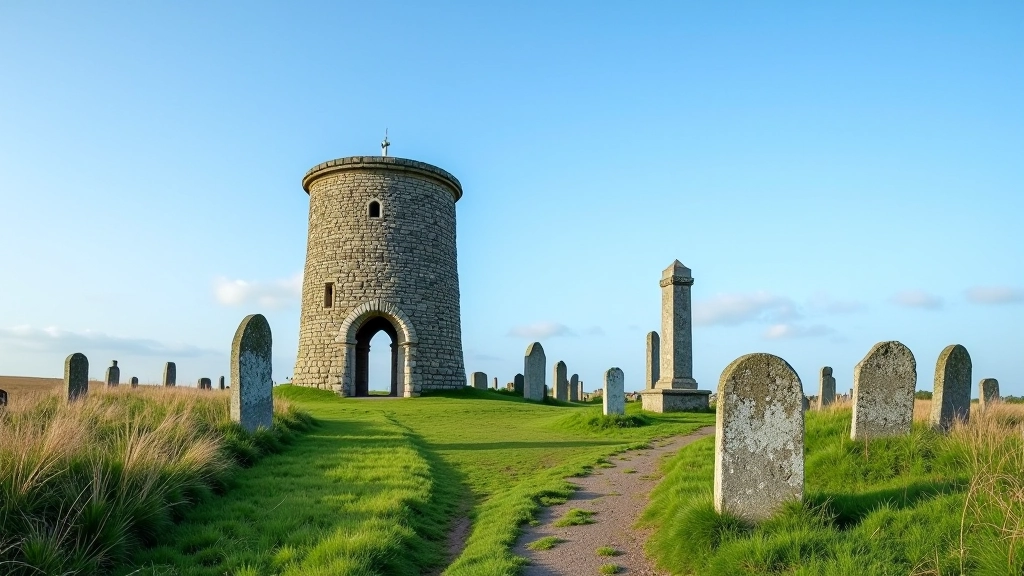
The Round Towers: History and What You'll See
These distinctive towers aren't what most people think. Discover their actual purpose, why they're round, and what to notice when you visit. Easy-to-spot architectural details explained.
Read Guide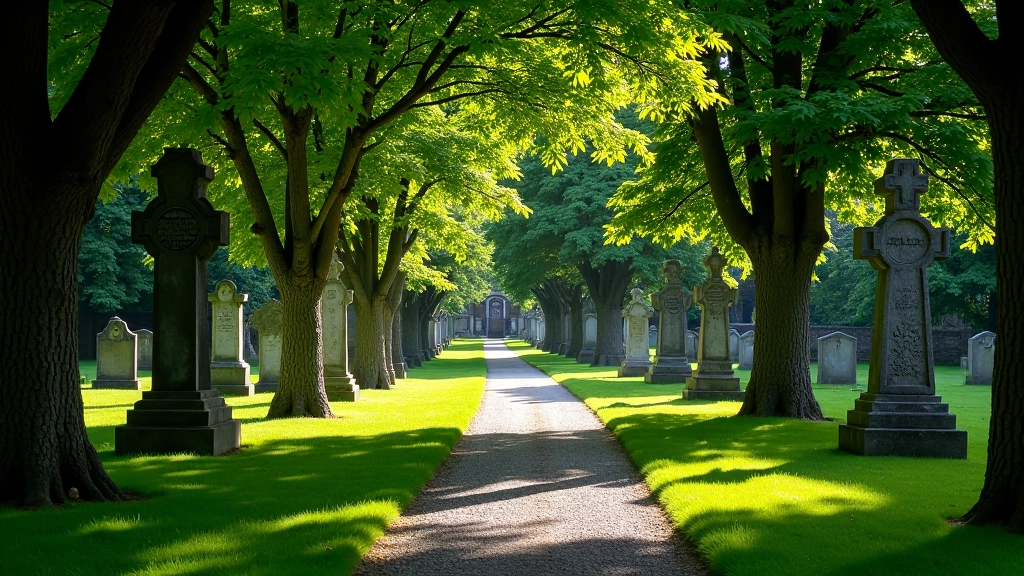
Churchyard Paths & Gentle Walking Routes for Every Fitness Level
Flat, accessible routes through Monasterboice's sacred grounds. We've mapped out three different paths — short loops, moderate circuits, and a longer exploration option. All at a comfortable pace.
Read GuideHow to Plan Your Visit
Three simple steps to make the most of your time at Monasterboice.
Choose Your Route
Pick from our three walking routes — short (30 mins), moderate (60 mins), or extended (90-120 mins). Each route is flat and designed for comfortable pacing.
Read the Guides
Download our detailed guides to understand what you're seeing. Learn about the high crosses, the round tower, and the history carved into the stone.
Visit at Your Pace
Monasterboice is open to visitors year-round. There's no entrance fee. Bring comfortable walking shoes, a camera, and time to sit and reflect.
Visitor Information & Resources
Everything you need to know before your visit to Monasterboice.
Location & Access
Monasterboice is located near Louth in County Louth, Ireland. The site is easily accessible by car and has parking available. It's also walkable from the village of Louth if you prefer a scenic approach.
Best Time to Visit
The site is open year-round. Spring and autumn offer comfortable temperatures and fewer crowds. Summer can be busy. Winter is quieter but bring waterproof clothing.
Facilities & Services
There's parking on-site and basic facilities nearby in Louth village. The walking paths are well-maintained. There's no café at the site itself, but it's just a few minutes from local amenities.
Getting More Information
Our guides provide detailed historical context and practical tips. If you have questions about accessibility, specific routes, or need personalized recommendations, we're here to help.
Have questions about visiting or need help planning your trip?
Contact Us