Understanding the Carved High Crosses of Monasterboice
Learn about the intricate Celtic patterns, biblical scenes, and symbols carved into these 9th-century monuments. What each element means and why they're still standing.

Why These Crosses Matter
Standing in the quiet grounds of Monasterboice, you're looking at something remarkable. These aren't just old stone—they're conversations frozen in time. The monks who carved them had stories to tell, lessons to teach, and they picked stone as their medium.
The high crosses here represent a pivotal moment in Irish Christian art. Between the 8th and 10th centuries, monks developed a visual language so powerful that it still speaks to us today. Each symbol, each interlocking pattern, each biblical scene carries weight and meaning.
You'll notice these aren't crude carvings. The detail is extraordinary. Skilled craftsmen spent months—sometimes years—on a single cross. They weren't rushing. They were creating something meant to outlast empires, and they succeeded.
The Structure You're Actually Looking At
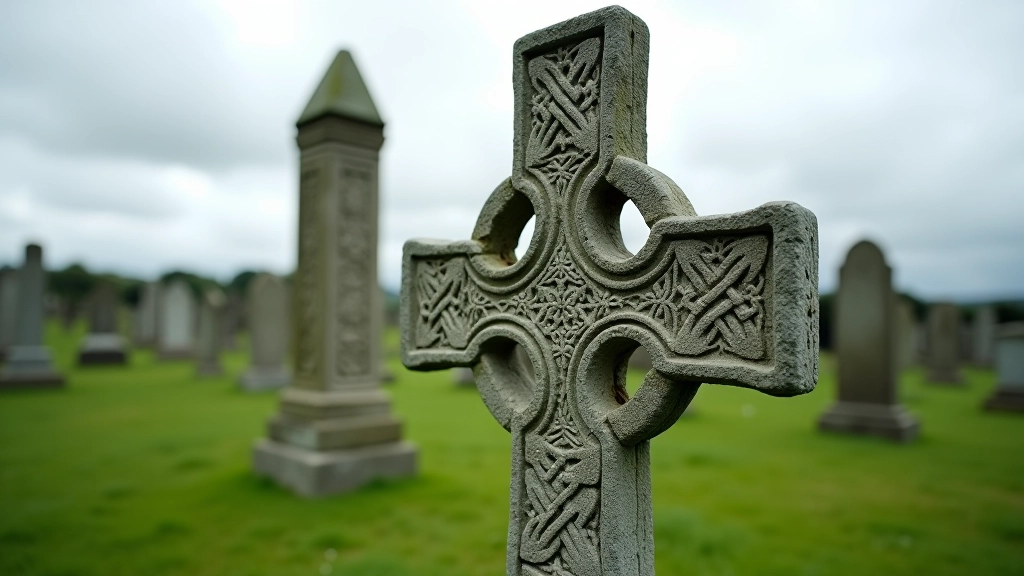
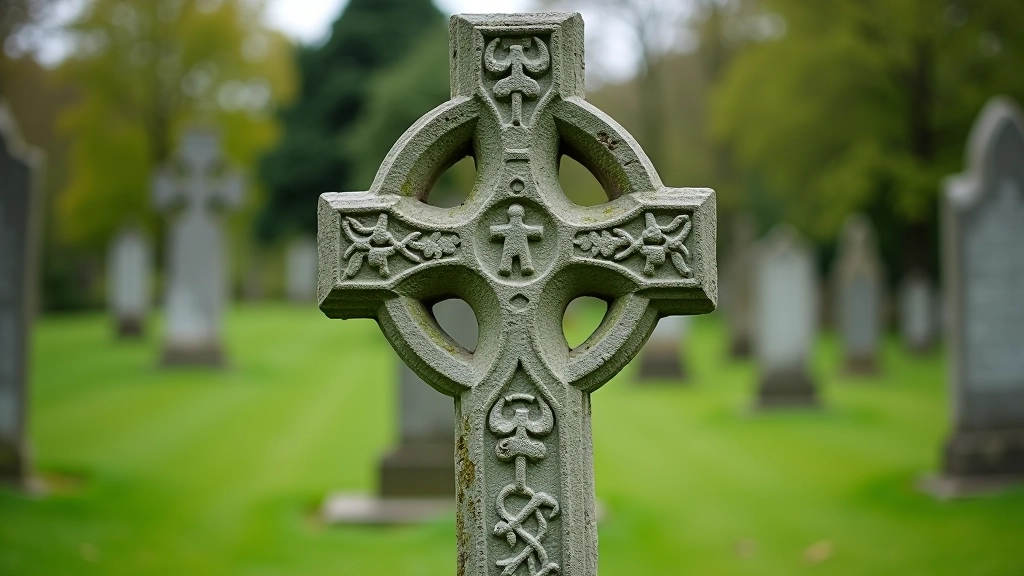
High crosses follow a specific design. They're not random. The cross itself sits on top of a base—sometimes a simple stone block, sometimes more elaborate. The shaft rises 12 to 17 feet typically, and then you get the actual cross at the top. But here's what makes these different: the circle. That ring connecting the four arms? That's the defining feature of an Irish high cross. It's called a ringed cross or Celtic cross, and it's functional. That ring distributes weight and prevents the arms from breaking off.
The cross face usually contains a carved boss or knob at the intersection—the hub where everything meets. From there, the four arms extend outward, often flaring at the ends. And those faces? They're covered with carvings. Biblical scenes dominate one side (the west face), while geometric patterns fill the other (the east face). The bottom section, called the socle, often depicts Adam and Eve or other foundational biblical stories.
The Mathematics: A typical Monasterboice cross stands 17 feet tall and weighs roughly 6 tons. That's not moved by accident. Once planted, it stayed planted. The massive base provided stability against Irish weather—wind, rain, frost—for over 1,000 years.
Reading the Stories in Stone
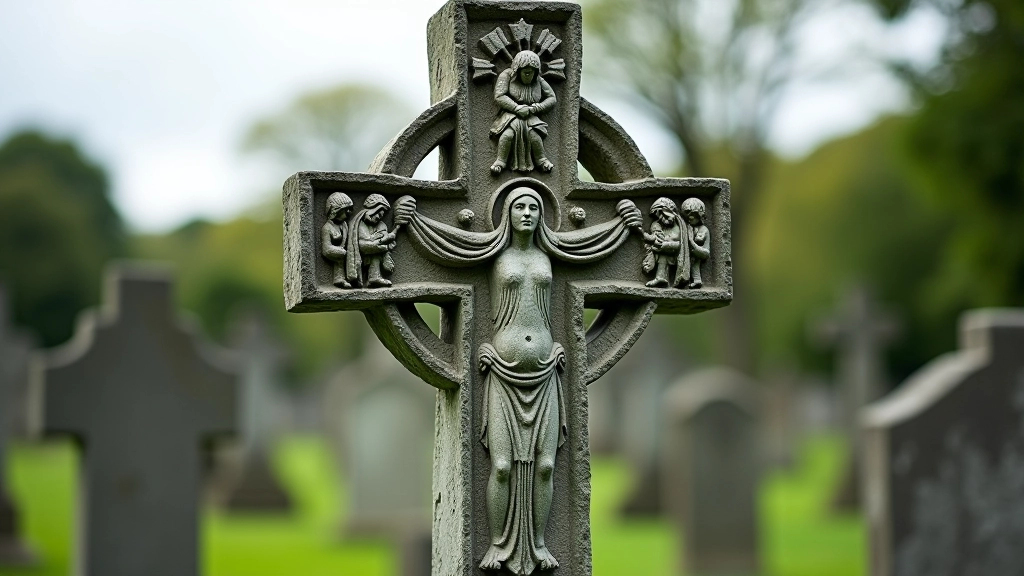
The west-facing panels tell biblical narratives. At Monasterboice, you'll see the Crucifixion dominating the upper cross. Christ hangs center, often with soldiers, the sun and moon symbolized above. Below that might come the Temptation of Adam and Eve, or scenes of apostles. Each scene stacks vertically, telling stories to a largely illiterate population who couldn't read Latin Bibles.
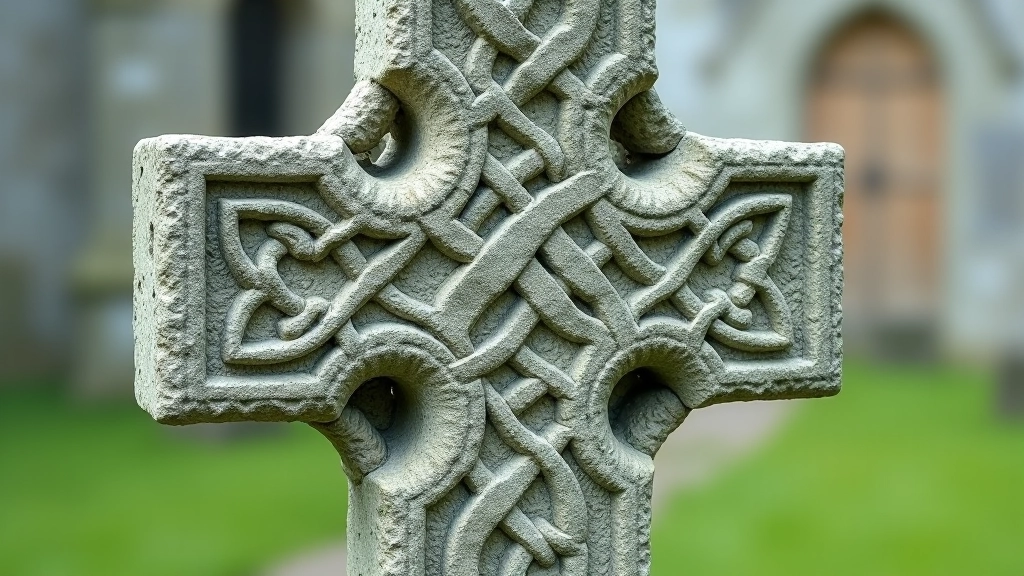
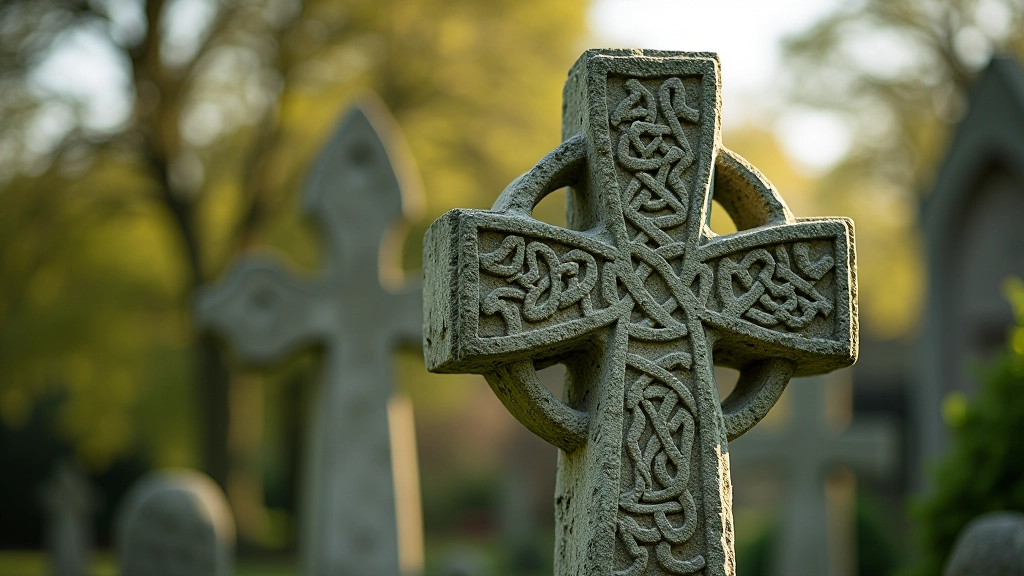
The east side takes a different approach. Instead of narrative, you get pure geometric art. Interlace patterns spiral and knot. Spirals appear. Zoomorphic designs—animals and creatures—weave through the composition. This isn't random decoration. It's a visual representation of divine order, the interwoven nature of creation itself. The patterns suggest infinity, continuity, the eternal nature of faith.
What's remarkable? These patterns weren't drawn first. Carvers worked directly into stone, creating symmetrical designs from memory and training. No pencil marks. No trial runs. They knew exactly where each line belonged. One mistake ruins months of work. Yet you'll find almost no errors. That's craft at its highest level.
Symbols You'll Actually Recognize
The Circle
Connects the four arms. Represents wholeness, eternity, the sun. Also practical—it prevents the arms from snapping off. Form follows function.
Interlace Patterns
Those knots and weaving designs represent the infinite. They never begin or end. Perfect symbol for divine eternity. Also hypnotic to look at—they were meant to draw you in.
Spirals
Ancient Celtic symbol predating Christianity. Adopted by monks because they represented growth, rebirth, the journey toward the divine. Movement frozen in stone.
Animals & Creatures
Lions, serpents, birds appear throughout. Lions mean strength and Christ. Serpents can represent evil or wisdom depending on context. Birds symbolize the Holy Spirit.
The Crucifixion
Usually the focal point of the cross face. Shows Christ with arms outstretched, often with small figures of soldiers, Mary, or John below. The ultimate Christian narrative.
Adam & Eve
Often placed at the base or lower sections. Represents the Fall of Man, and by extension, why Christ's sacrifice was necessary. Creation and redemption linked.
How They've Survived This Long
You might think stone lasts forever. It doesn't. These crosses have weathered over 1,000 years of Irish rain, frost, wind, and neglect. That they're still here—still readable, still standing—is genuinely impressive.
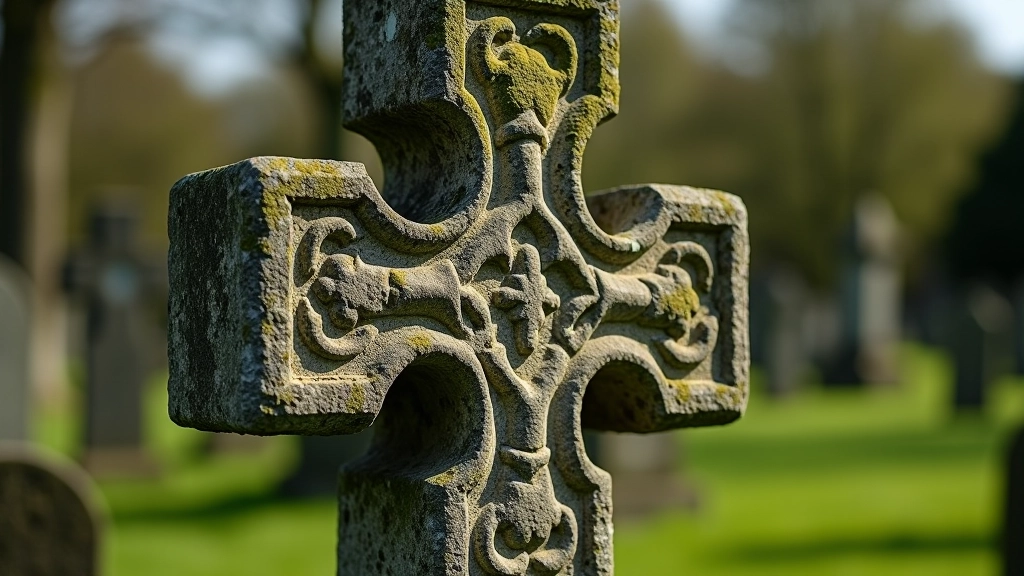
The stone itself matters. The crosses at Monasterboice are carved from local sandstone, which is relatively soft. This actually helped—softer stone weathers more gradually than granite would. The surface develops a protective patina. Deep carved lines fill with lichen and moss, which paradoxically protects the stone underneath from direct weathering.
But weathering is happening. Details that were sharp in the 9th century have softened. Some faces are barely readable now. Rain seeps into hairline cracks and freezes in winter, slowly expanding and fragmenting the stone. Moss and lichen, while protective, also trap moisture.
Modern conservation tries to slow this process. You won't see the crosses cordoned off, but they're monitored. Experts photograph them regularly, track deterioration, and intervene only when necessary. The goal? Keep them standing for another thousand years without over-restoring them into fakeness.
What You Should Actually Look For When You Visit
Start with the West Face
This is the story side. Spend time here identifying the scenes. The Crucifixion should be obvious. Below that, look for Adam and Eve. Can you spot the serpent? The apple? These scenes aren't subtle once you know what you're looking at.
Walk Around the Cross
The east side is geometric. Trace the interlace patterns with your eyes. Follow one line as it weaves through others. It's meditative. You'll understand why monks created these patterns—they're mesmerizing, designed to focus attention and contemplation.
Look at the Ring Carefully
That connecting circle often has carvings too. Sometimes you'll find bosses or patterns. Some rings are plain. The complexity of the ring often tells you how skilled the carver was. More detail equals more expertise.
Notice the Base
The socle at the bottom tells important stories. Adam and Eve appear here often. Sometimes you'll find bishops or saints. The base connects the earthly (ground level) to the divine (the cross above). Symbolically important positioning.
Time Your Visit Right
Afternoon light from the west brings the west-facing carvings into sharp relief. Early morning light rakes across from the east, showing the geometric patterns better. The light changes the experience. Visit twice if you can—different times reveal different details.
About This Guide
This article is an educational resource about the history, symbolism, and interpretation of the high crosses at Monasterboice. The information presented represents current scholarly understanding of these medieval monuments, though archaeological and historical interpretations continue to evolve as new research emerges.
For the most current academic research on these crosses and Irish high cross traditions, we recommend consulting with heritage organizations, archaeological societies, and the specialists working directly with these monuments. Different scholars may interpret certain symbols and scenes differently based on new evidence and methodologies.
When visiting Monasterboice, please respect the site as a sacred space and follow all posted guidance from heritage management authorities.
Why You Should Actually Go See Them
Reading about these crosses is fine. Seeing them in person is entirely different. Standing next to a stone that's been carved for over a thousand years changes you. You're not just looking at art or history—you're touching the same view monks saw. You're standing where pilgrims stood centuries ago.
The crosses at Monasterboice aren't locked behind museum glass. They're outside, weathering, aging, slowly returning to stone. That makes them fragile and real. It makes visiting them urgent in a way that visiting a climate-controlled museum isn't.
And here's the thing—you don't need to be an art historian or medieval scholar to appreciate them. Stand in front of a high cross, walk around it, let your eyes follow the patterns. Feel the weight of the stone, notice the skill in every carving. That's enough. That's everything.